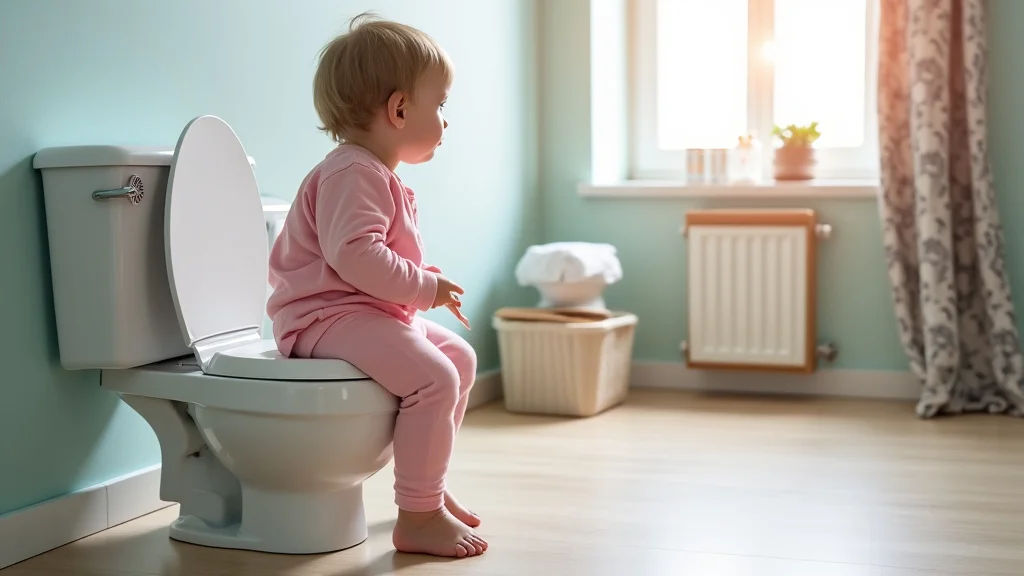

Starting potty training can feel like a big step for both you and your little one. You might be wondering when to start, what signs to look for, or if your child is even ready. It’s common to feel a mix of excitement and a little bit of overwhelm as you prepare for this new chapter. This guide is here to help you understand the process, offering practical tips and clear advice to make potty training a smoother experience for everyone involved. You’ll learn how to identify readiness cues, choose the right methods, and handle common challenges, turning this milestone into a positive achievement for your family.
Key Takeaways
- Recognize the key signs your toddler is ready for potty training.
- Understand different potty training methods and how to choose one.
- Learn effective strategies for teaching your child to use the potty.
- Discover how to manage accidents and setbacks with patience.
- Explore tips for nighttime potty training and overcoming common hurdles.
Is Your Toddler Ready for Potty Training
Knowing when to start how to potty train a toddler is half the battle. Readiness isn’t just about age; it’s about a child’s physical, cognitive, and emotional development. Pushing too soon can lead to frustration for both parent and child, making the process longer and more difficult. Looking for specific signals helps ensure a more successful and positive experience.
Physical Signs of Readiness
A toddler’s body needs to be ready for potty training. This means they can control their bladder and bowel muscles.
- Consistent Dry Diapers Your child stays dry for at least two hours at a time during the day or wakes up dry from naps. This indicates their bladder muscles are developing control.
- Predictable Bowel Movements They have fairly regular and predictable bowel movements. This makes it easier to anticipate when they might need to use the potty.
- Ability to Walk and Sit They can walk to the potty and sit down on it independently. This shows they have the motor skills needed.
- Ability to Pull Pants Up and Down They can cooperate with pulling their pants up and down. This is a sign of fine motor skill development and understanding of clothing.
Cognitive and Emotional Signs of Readiness
Beyond physical cues, your child’s mind and feelings play a big role.
- Awareness of Bodily Functions They show awareness when they are peeing or pooping, perhaps by going to a quiet corner, making a face, or telling you after the fact. This indicates they are starting to connect the sensation with the action.
- Interest in the Potty They show curiosity about the toilet or potty chair, perhaps by watching you or other family members use the bathroom. This curiosity can be a great motivator.
- Desire for Independence They express a desire to do things by themselves and might say “no” to wearing a wet or dirty diaper. This drive for autonomy is key to learning new skills.
- Ability to Follow Simple Instructions They can understand and follow simple instructions like “sit down” or “flush the toilet.” This communication ability is important for guiding them through the process.
Choosing the Right Potty Training Method
There are several popular approaches to potty training, and the best one for your family depends on your child’s personality and your lifestyle. No single method works for everyone, so flexibility is important.
The Child-Led Approach
This method puts the child in the driver’s seat. You wait for them to show clear signs of readiness and then introduce the potty.
- Focus on Child’s Pace The child decides when they want to use the potty and how quickly they learn. Parents offer support and opportunities but don’t force the issue.
- Minimal Pressure This approach avoids pressure and rewards, focusing instead on natural motivation and praise. It’s often seen as less stressful for both child and parent.
- Introduction of Potty A potty chair is introduced, and the child is encouraged to sit on it when they feel the urge. They might be allowed to go diaper-free for periods to help them connect with their body’s signals.
Pros of Child-Led Approach
This method can lead to more intrinsic motivation and a deeper understanding for the child. It’s also less likely to create power struggles.
Cons of Child-Led Approach
It can take longer, and parents might feel uncertain if they aren’t seeing quick progress. It requires a lot of patience and observation.
The Direct Approach (or Parent-Led)
This method involves a more structured schedule and active encouragement from parents.
- Scheduled Potty Breaks Parents set specific times throughout the day for the child to sit on the potty, such as upon waking, after meals, and before bed. This helps establish a routine.
- Active Guidance Parents actively teach and guide, offering frequent praise and encouragement for successes. They might use sticker charts or small rewards.
- Diaper-Free Periods Similar to the child-led approach, there are often periods where the child is encouraged to go without a diaper to better feel their body’s cues.
Pros of Direct Approach
This method can be faster for some children and provides a clear structure that some parents prefer. It can also be very effective for children who respond well to routines.
Cons of Direct Approach
It can sometimes lead to pressure or anxiety for the child if not managed gently. Parents need to be vigilant about schedules and positive reinforcement.
The Three-Day Method
This intensive approach involves dedicating a full weekend or three consecutive days to potty training.
- Intensive Focus Parents commit to staying home and focusing solely on potty training for three days. This creates an immersive environment.
- Diaper Removal Diapers are removed entirely, and the child is encouraged to wear training pants or underwear. This helps them feel accidents immediately.
- Constant Supervision Parents are on high alert, watching for signs and taking the child to the potty frequently. This constant engagement is the core of the method.
Pros of Three-Day Method
It can lead to rapid results for some children who are very ready and can make the process feel like a distinct event rather than a drawn-out transition.
Cons of Three-Day Method
It requires significant commitment and energy from parents. It may not be suitable for all families or all children and can be overwhelming for some little ones.
Teaching Your Toddler to Use the Potty
Once you’ve chosen a method, it’s time for the actual teaching. Consistency and positivity are key to making this part successful.
Introducing the Potty Chair or Toilet Seat
Make the potty a friendly and inviting object.
- Choose the Right Gear Decide between a small, standalone potty chair or a child-sized seat that fits on the regular toilet. Some children prefer the independence of a small potty, while others like feeling “big” on the toilet with an adapter.
- Let Them Get Familiar Let your child see the potty, touch it, and decorate it if they like. They can even read books about potty training to them. The goal is to make it a normal part of their environment.
- Start with Sitting Encourage them to sit on the potty, even with their diaper on, to get used to the feeling. Do this for short periods, perhaps while reading a book or singing a song.
Recognizing the Urge and Responding
Teaching your child to recognize the physical sensations is crucial.
- Identify the Signs Help your child learn what it feels like when they need to pee or poop. Ask them “Do you feel like you need to go?” when they show signs like squatting, holding themselves, or grunting.
- Prompt and Praise When you see these signs, gently encourage them to try the potty. If they go, offer immediate and enthusiastic praise. This positive reinforcement is vital for building confidence.
- Celebrate Successes Make a big deal out of successes, no matter how small. High fives, a special cheer, or a small, non-food reward like a sticker can be very motivating.
Establishing a Routine
Consistency helps children learn and internalize new habits.
- Regular Potty Breaks Offer potty opportunities at key times: first thing in the morning, after meals, before naps, and before bedtime. This builds predictability into their day.
- Connect Potty to Activities Link potty use to the start and end of activities. For example, “Let’s try the potty before we go to the park.”
- Be Flexible but Consistent While routine is important, don’t force your child to sit if they are resistant. Find a balance that respects their feelings while still encouraging the habit.
Making Potty Training Fun
Keep the atmosphere light and enjoyable.
- Songs and Stories Use potty-themed songs and books to make the process engaging and educational. Many children enjoy the repetition and humor in these materials.
- Potty Games Play simple games like “potty racing” or pretending to be a grown-up using the potty. These activities can reduce anxiety and make it feel like play.
- Reward Systems Sticker charts or small, non-food rewards can be very effective for motivated children. Let them choose their reward for achieving milestones.
Handling Accidents and Setbacks
Accidents are a normal part of potty training. They don’t mean failure; they mean your child is still learning.
Dealing with Accidents Calmly
Your reaction sets the tone for how your child perceives mistakes.
- No Punishment Never scold, shame, or punish your child for accidents. This can create fear and resistance, hindering progress.
- Simple Cleanup calmly say something like, “Oops, accidents happen. Let’s clean this up.” Involve your child in the cleanup process, like helping to put a wet cloth in the laundry.
- Reassurance Reassure them that it’s okay and that you’ll try again. Focus on the learning process rather than perfection.
Nighttime Potty Training
This is often the last step and can take longer than daytime training.
- Bedtime Routine Adjustments Limit fluids close to bedtime and ensure a final potty trip right before sleep. This helps reduce the need to pee overnight.
- Potty Chair Near Bed For younger children, placing a small potty chair in their room can make it easier to access if they wake up needing to go.
- Underwear and Mattress Protection Use waterproof mattress protectors. Consider pull-ups for nighttime if accidents are frequent, but gradually transition to underwear as they show signs of readiness.
Regression
Sometimes children who were doing well might start having accidents again.
- Identify Triggers Look for potential causes of regression, such as a new sibling, starting daycare, illness, or stress.
- Gentle Reset If regression occurs, don’t panic. Gently reinforce the basics of potty training and go back to a more structured approach if needed, without making the child feel bad.
- Patience is Key Remember that setbacks are common. Continue to offer support and encouragement, and trust that they will get back on track.
Common Myths Debunked
Many parents worry about common myths surrounding potty training. Let’s clear some of these up.
Myth 1: Potty training is a race to finish quickly.
Reality: Every child learns at their own pace. Forcing a child or rushing the process can lead to more resistance and frustration. The goal is a confident, independent child, not the fastest trainee.
Myth 2: Your child should be potty trained by a certain age.
Reality: While there are average ages for potty training, there’s a wide range of normal. Readiness signs are far more important than chronological age. Some children are ready at 18 months, while others may not be until 3 years or older.
Myth 3: Accidents mean your child isn’t trying hard enough.
Reality: Accidents are a normal part of learning. Children are still developing muscle control and learning to recognize their body’s signals. Consistent, calm responses to accidents help them learn without fear.
Myth 4: Potty training will be traumatic for the child.
Reality: Potty training doesn’t have to be traumatic. When approached with patience, understanding, and positive reinforcement, it can be a positive developmental milestone for both child and parent.
Myth 5: You must use a specific method to be successful.
Reality: While methods provide structure, flexibility is key. The best approach is often a blend of different strategies that fit your child’s personality and your family’s needs. What works for one child may not work for another.
Frequently Asked Questions
Question: When is the best time to start potty training?
Answer: The best time to start potty training is when your child shows consistent signs of readiness, both physically and emotionally. This typically happens between 18 months and 3 years old, but can vary greatly.
Question: How do I handle resistance from my toddler?
Answer: If your child is resisting, take a break and try again in a few weeks. Ensure you are not applying too much pressure. Sometimes a change in approach or making it more fun can help.
Question: What rewards are effective for potty training?
Answer: Small, immediate rewards like stickers, praise, or a special book can be very motivating. Avoid overly large rewards or food rewards that can create other issues.
Question: My child is scared of the potty. What should I do?
Answer: Start slowly. Let them sit on it with clothes on, read books about it, and let them watch you. Ensure the potty isn’t intimidating and consider a soft seat for the regular toilet.
Question: How long does potty training usually take?
Answer: Potty training can take anywhere from a few weeks to several months. Daytime dryness is usually achieved before nighttime dryness. Patience and consistency are your best tools.
Conclusion
Mastering how to potty train a toddler involves observing readiness, choosing a suitable method, and applying consistent, positive guidance. Celebrate every success, handle accidents with grace, and remember that patience is your greatest asset. Your child will learn to use the potty with your supportive encouragement.

